 By John Kershaw, President of C21 Canada, President of 21st Century Learning Associates, and the former Deputy Minister of Education for New Brunswick
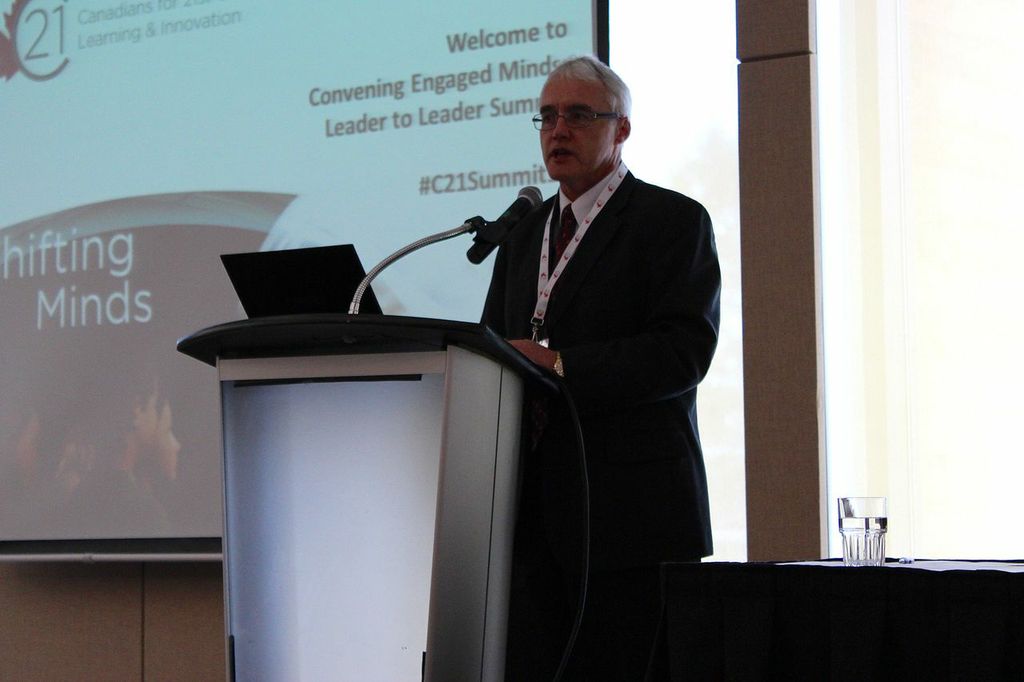
C21 Canada’s Summit 2013 Convening Engaged Minds: Leader to Leader proves to be a resounding success!
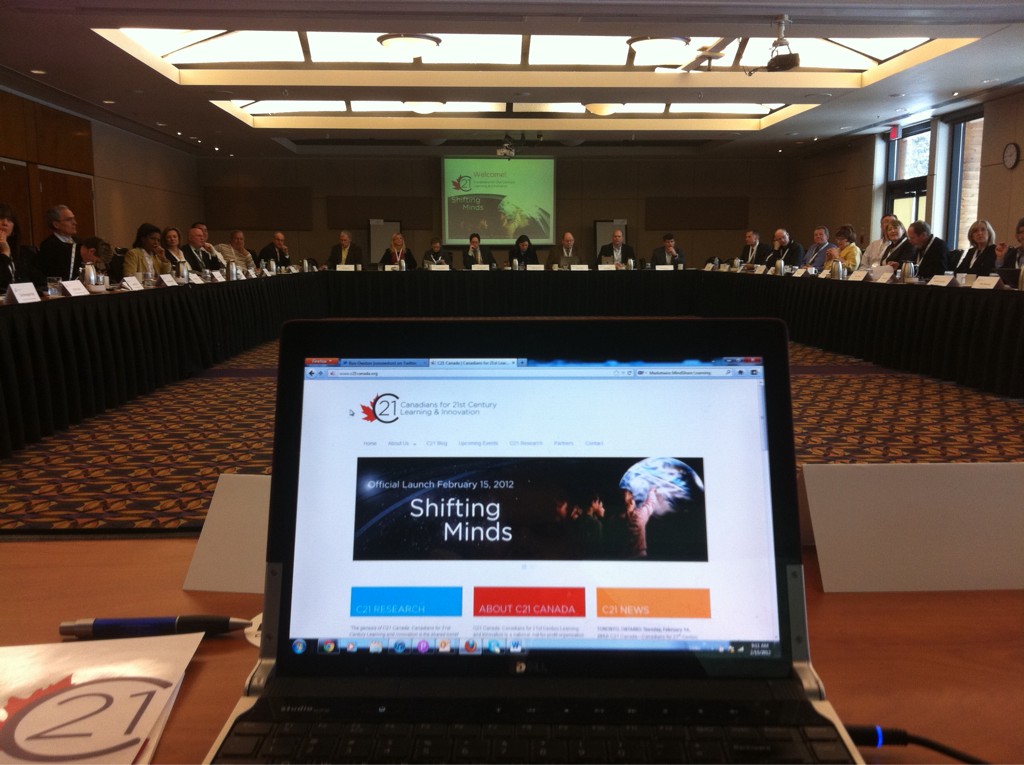
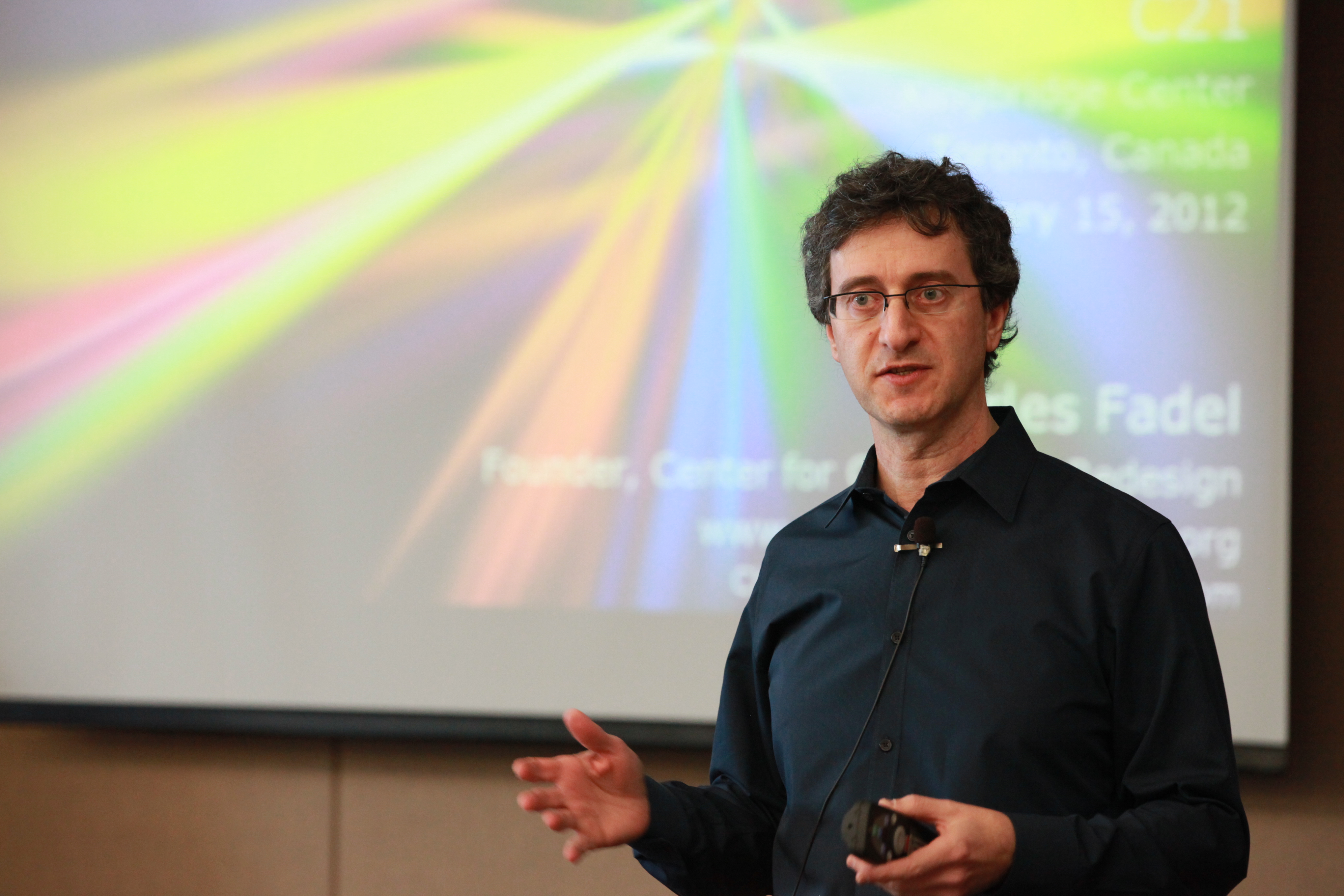
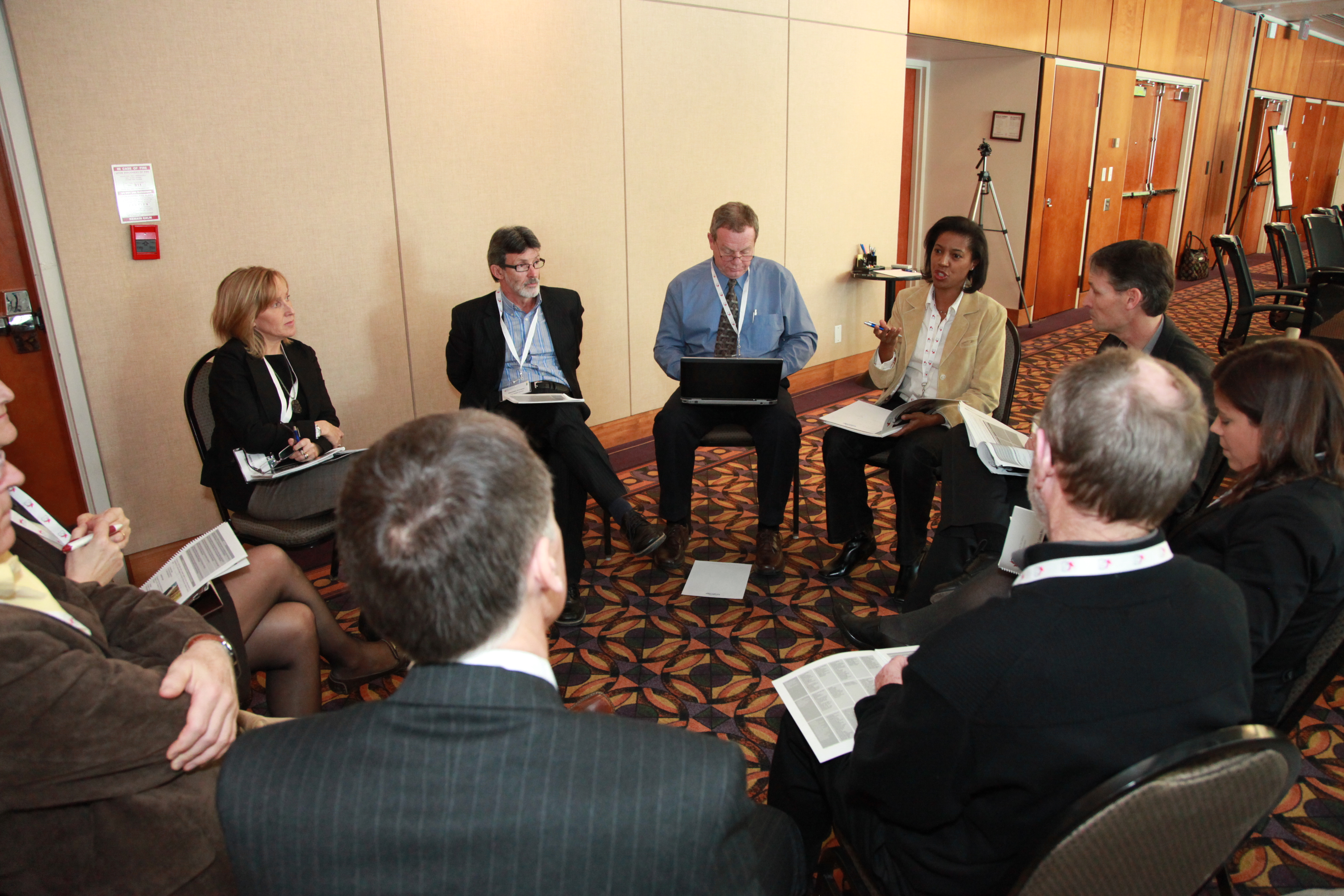
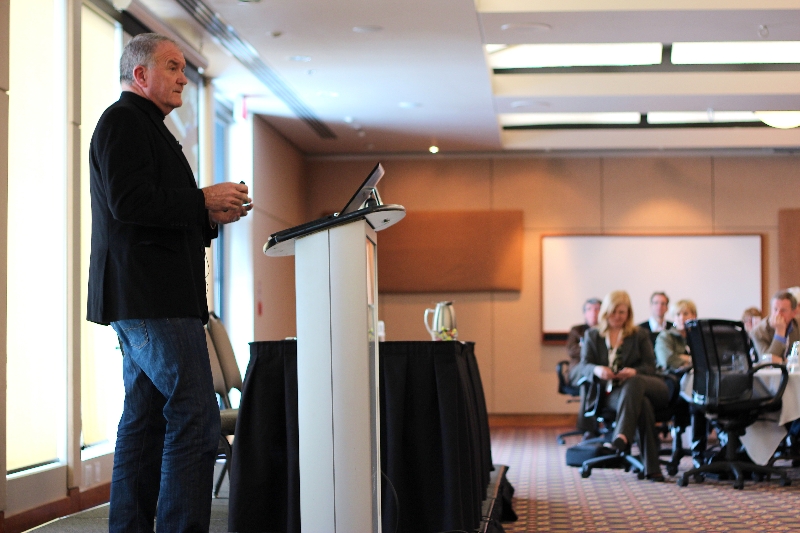
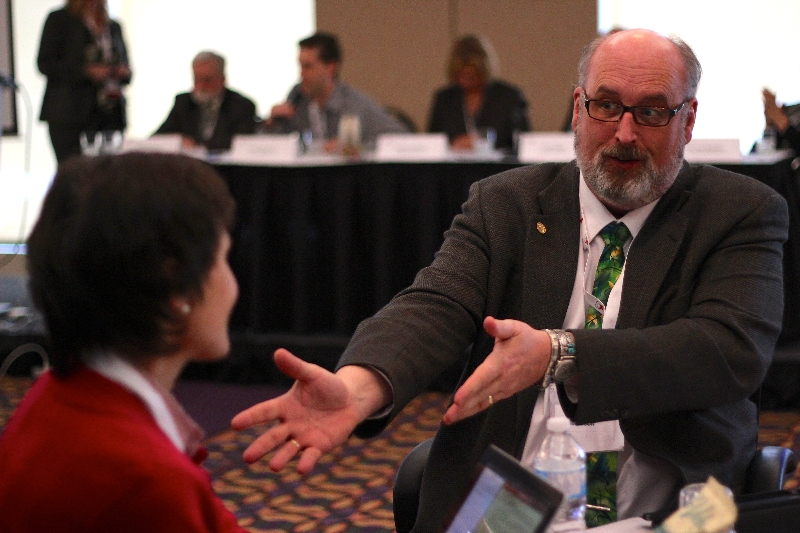
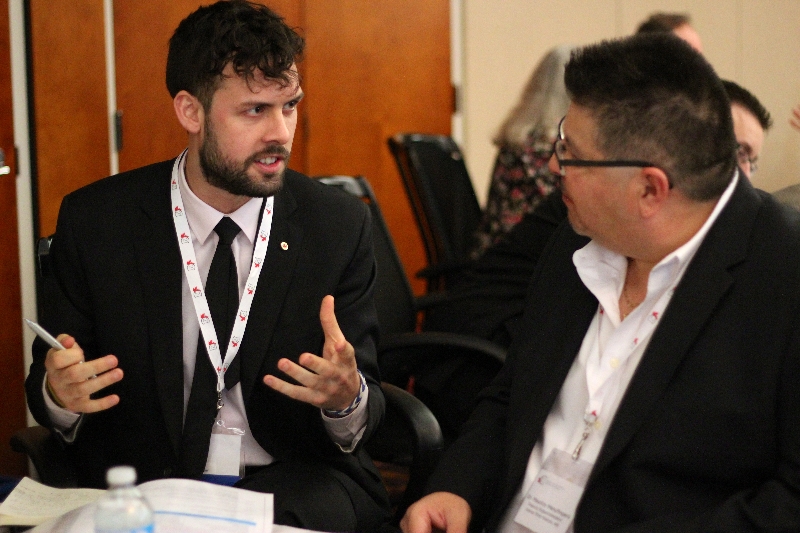
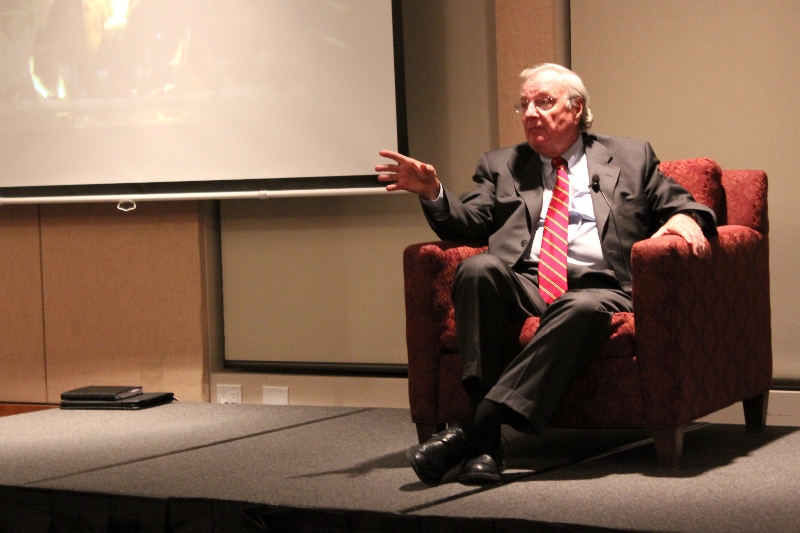
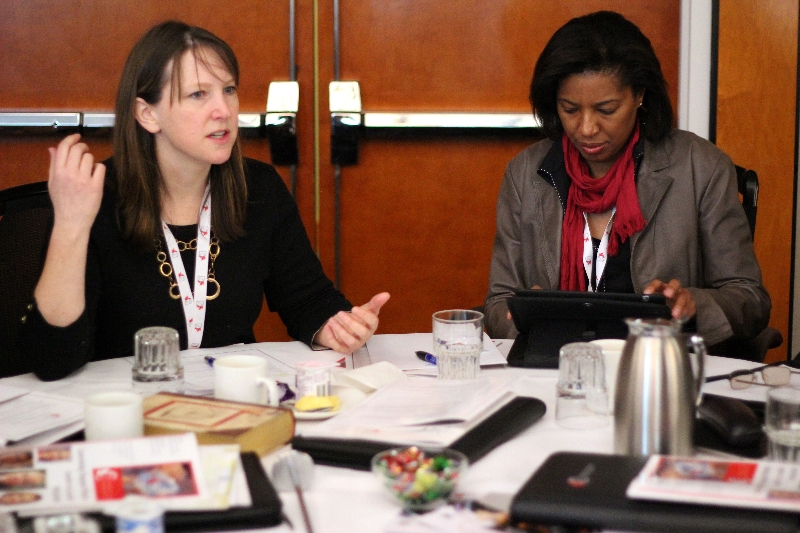
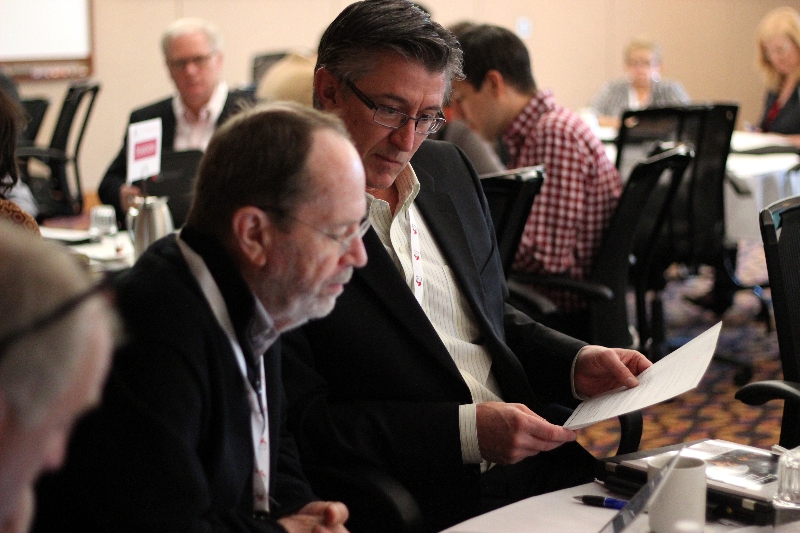
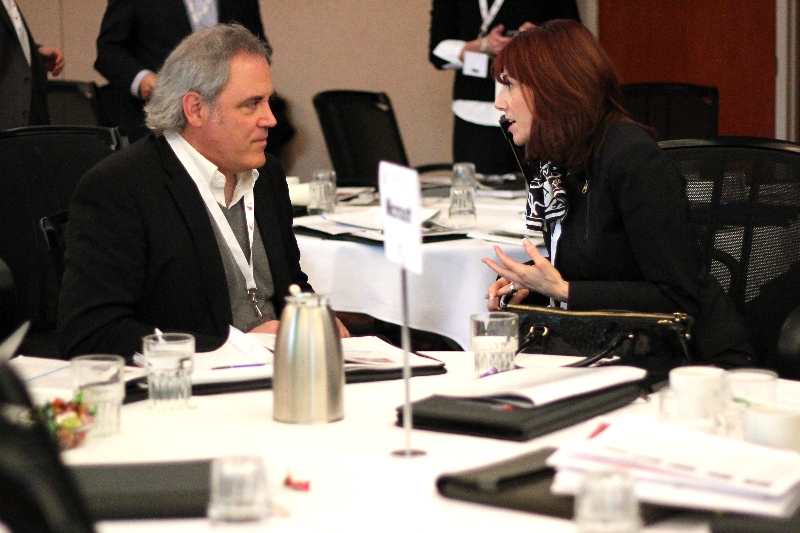
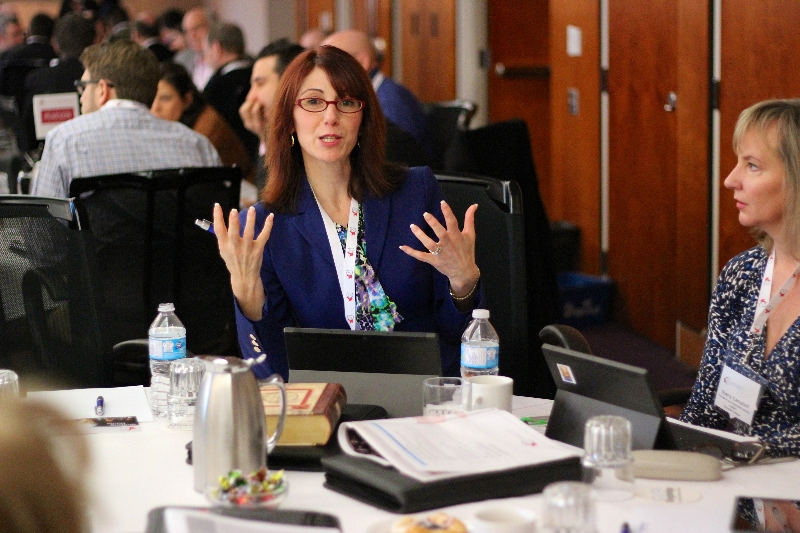
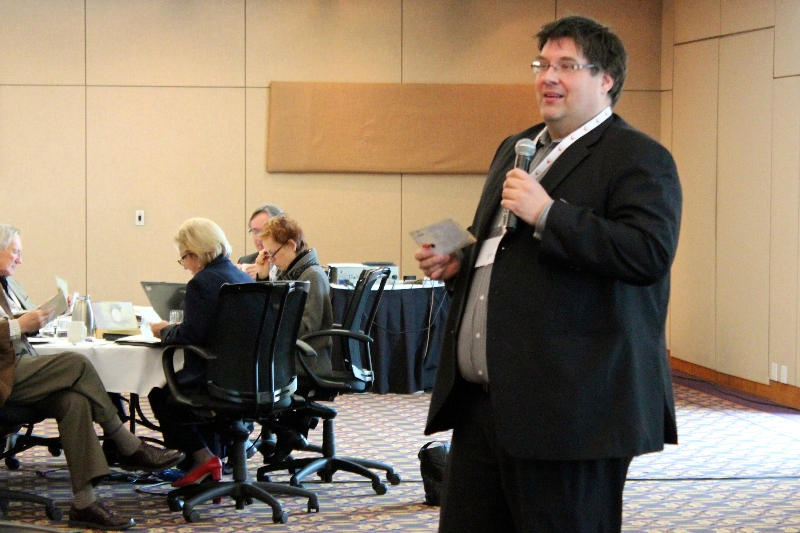
Summit 2013, held February 12th and 13th in King City at the Kingbridge Institute and Convention Centre, convened over 100 leaders from various sectors of Canadian society to discuss the need for and how to modernize Canada’s public education systems.
C21 Canada was created two years ago with a vision of engaging Canadians in the need to modernize our public education systems across Canada. By modernize we mean to shift our education systems to ensure our students learn the competencies they will need for success in this new knowledge, digital and global world of ours.
Most people will agree that the world has changed dramatically over the past couple of decades. Globalization and the technology revolution have created a new environment offering Canadians both new opportunities and new challenges.
Structural changes to the economy and significant societal changes are occurring largely as a result of enhanced access to information through technology and it is predicted that technological advancements will continue to accelerate the pace of change.
This new digital landscape offers huge opportunities to connect with others and create new products and services. Value added knowledge creation has become the economic and social driver of our age. At the same time, significant and complex challenges also lie ahead, ranging from the world’s unsettled fiscal climate to the global climate itself.
We need to ensure that our children have access to modern learning environments and teaching practices if they are going to benefit from and be equipped for the uncertainties of this knowledge and digital age.
C21 Canada believes our education systems need to be modernized to reflect this new reality. And this means that what we teach and how we teach needs to change as well.
What has to change?
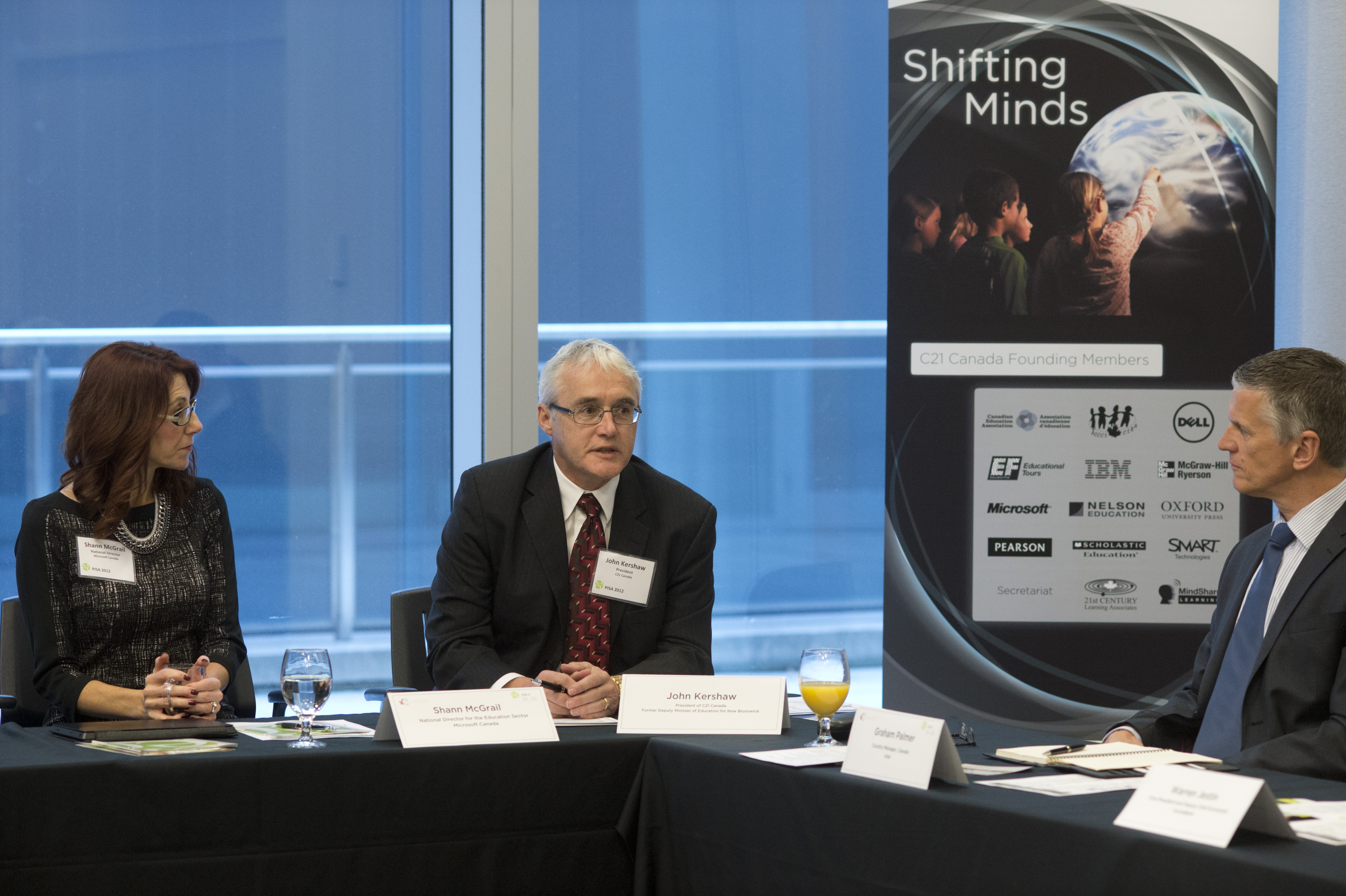
A vision of 21st century learning called Shifting Minds offers a framework to guide discussions on a way forward. Shifting Minds describes how the three foundations of learning, literacy, numeracy and science, must remain at the core of education and how students will a need to master the following key competencies to ensure their success in an unpredictable global world.
By John Kershaw, President of C21 Canada, President of 21st Century Learning Associates, and the former Deputy Minister of Education for New Brunswick
C21 Canada’s Summit 2013 Convening Engaged Minds: Leader to Leader proves to be a resounding success!
Summit 2013, held February 12th and 13th in King City at the Kingbridge Institute and Convention Centre, convened over 100 leaders from various sectors of Canadian society to discuss the need for and how to modernize Canada’s public education systems.
C21 Canada was created two years ago with a vision of engaging Canadians in the need to modernize our public education systems across Canada. By modernize we mean to shift our education systems to ensure our students learn the competencies they will need for success in this new knowledge, digital and global world of ours.
Most people will agree that the world has changed dramatically over the past couple of decades. Globalization and the technology revolution have created a new environment offering Canadians both new opportunities and new challenges.
Structural changes to the economy and significant societal changes are occurring largely as a result of enhanced access to information through technology and it is predicted that technological advancements will continue to accelerate the pace of change.
This new digital landscape offers huge opportunities to connect with others and create new products and services. Value added knowledge creation has become the economic and social driver of our age. At the same time, significant and complex challenges also lie ahead, ranging from the world’s unsettled fiscal climate to the global climate itself.
We need to ensure that our children have access to modern learning environments and teaching practices if they are going to benefit from and be equipped for the uncertainties of this knowledge and digital age.
C21 Canada believes our education systems need to be modernized to reflect this new reality. And this means that what we teach and how we teach needs to change as well.
What has to change?
A vision of 21st century learning called Shifting Minds offers a framework to guide discussions on a way forward. Shifting Minds describes how the three foundations of learning, literacy, numeracy and science, must remain at the core of education and how students will a need to master the following key competencies to ensure their success in an unpredictable global world.
- Creative, innovative and entrepreneurial thinking
- Critical thinking
- Collaboration – often with people in other countries
- Communication – using the modern technologies of our time
- Culture and Ethical Citizenship
- Computer and Digital technologies
- Character
- All agreed that meeting the learning needs of students should be the focal point of any effort to modernize the system.
- There is clearly a growing alignment of interest between various sectors of Canadian society in modernizing our public education systems. There is also a growing recognition that our children need different life skills today, and that employers are more and more looking for people with the competencies mentioned above.
- There is a growing sense of urgency given that other countries are already modernizing their systems, and in today’s global environment, our youth will be competing for spaces at universities and for jobs with young people from other countries.
- The need to design an effective means of communication to engage Canadians in this important discussion was highlighted. Delegates underlined the need to ensure the voices of students, parents and teachers were heard, to engage First Nation leaders, and to support Canada’s political leaders make the right policy and investment decisions.
- Delegates recognized that examples of modern and innovative learning and teaching practices already existed in Canada. They underlined the need to build on these successes and create education systems where all teachers could adopt modern instructional practices.